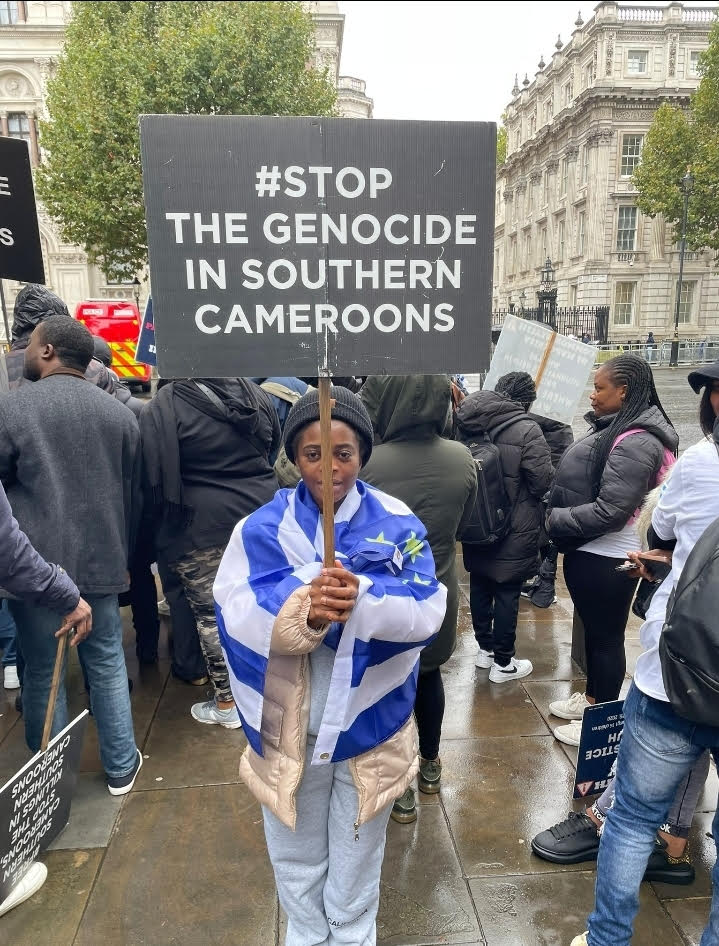
The crisis in Cameroon, which began in 2017 in the English-speaking regions, remains one of the most complex and prolonged conflicts in Central Africa. Rooted in deep historical, cultural, and political grievances, the crisis has resulted in widespread suffering, insecurity, and instability.
At its core, the conflict stems from the perceived marginalization of the Anglophone population in a predominantly Francophone political system. What started as peaceful protests by lawyers and teachers escalated into a violent conflict between armed separatist groups seeking independence for the Anglophone regions and the Cameroonian government seeking to maintain national unity.
Over the years, the crisis has led to thousands of deaths, the displacement of over 700,000 people, and the disruption of essential services such as education and healthcare. Numerous human rights violations have been reported on both sides, and the humanitarian needs continue to grow.
A lasting and peaceful solution requires a genuine national dialogue, one that includes all key stakeholders—government, separatist leaders, civil society, and international partners. Mutual understanding, decentralization, justice, and reconciliation must be at the heart of any agreement.
The international community must also play a constructive role in supporting peace efforts, protecting civilians, and addressing the humanitarian crisis.
The people of Cameroon deserve peace, dignity, and the opportunity to rebuild their lives in a united but inclusive nation.